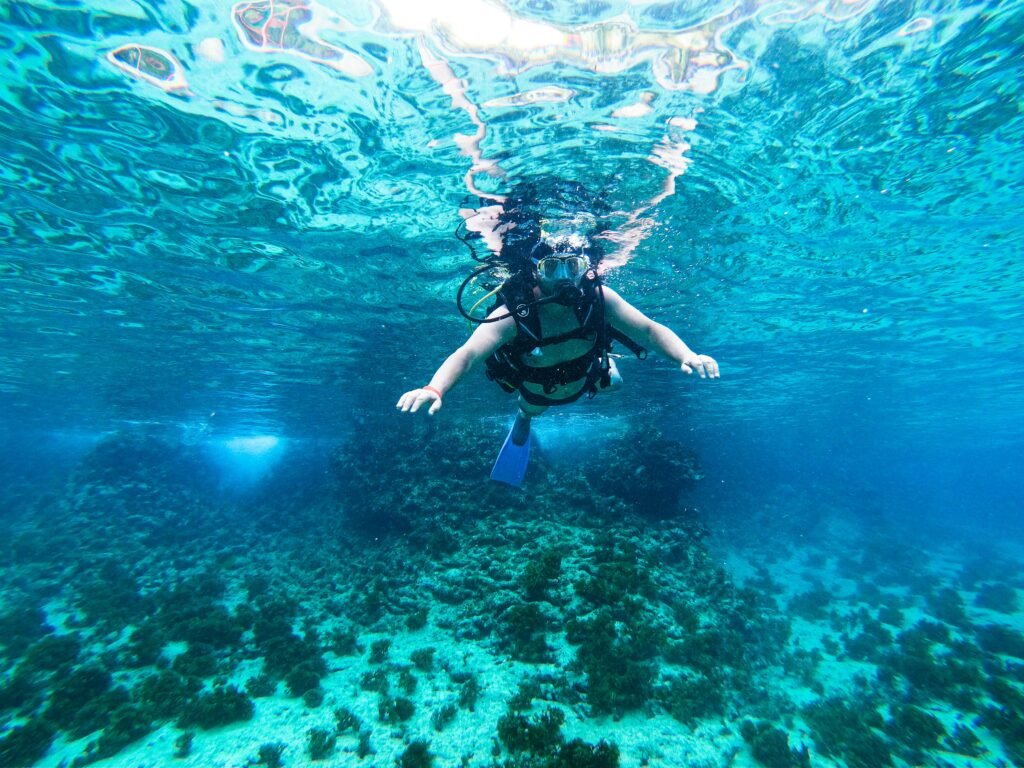
The Health Benefits of Scuba Diving: A Dive into Physical and Mental Well-being
Introduction to Scuba Diving and Its Popularity
Scuba diving is an underwater diving activity that involves the use of a self-contained underwater breathing apparatus, allowing divers to explore aquatic environments while remaining submerged for extended periods. The term “scuba” denotes the equipment utilized for breathing underwater, and it has revolutionized the way individuals engage with marine ecosystems. The popularity of scuba diving has surged in recent years, driven by a growing appreciation for the natural world and the psychological benefits associated with immersing oneself in serene underwater environments.
The basic equipment required for scuba diving includes a tank filled with compressed air, a diving mask, fins, and a wetsuit or drysuit, depending on the water temperature. As divers descend into bodies of water, they have the chance to observe a remarkable variety of marine life, including colorful fish, intricate coral reefs, and even historic shipwrecks. This unique experience fosters a sense of adventure and allows individuals to connect with nature in a profound way, contributing to the overall allure of the sport.
Moreover, the community surrounding scuba diving plays a pivotal role in its appeal. Diving clubs, training courses, and organized trips enable divers to meet like-minded individuals, fostering social connections and friendships. Engaging with fellow divers allows for shared experiences, enhancing the enjoyment of the sport. The collaborative atmosphere within scuba diving communities not only enriches the activity itself but also promotes improved mental well-being, further emphasizing the health benefits tied to this leisure activity.
In conclusion, scuba diving offers a unique opportunity for exploration while positively impacting both physical and mental health. This underwater activity captivates individuals across the globe, as they seek adventure in enchanting marine landscapes and build connections within a vibrant community.
Physical Benefits of Scuba Diving
Scuba diving is more than just an adventurous escape into the underwater world; it also offers numerous physical health benefits that contribute to overall well-being. As a low-impact exercise, scuba diving allows individuals of varying fitness levels to engage in movement without significant stress on the body. The buoyancy provided by water reduces the strain on joints, making it an ideal workout for those who may struggle with traditional high-impact exercises.
One of the most prominent physical benefits of scuba diving is its role in enhancing cardiovascular fitness. During a dive, the body requires increased oxygen consumption, which elevates heart rate and promotes circulation. Regular diving sessions can lead to improved cardiovascular endurance, reducing the risk of heart disease and promoting a healthy lifestyle. Furthermore, the controlled breathing techniques used in scuba diving can enhance lung capacity and efficiency, leading to better oxygen utilization.
In addition to cardiovascular improvements, scuba diving actively engages various muscle groups, contributing to muscle strengthening. The act of swimming against currents and managing buoyancy involves the core, arms, and legs, providing a comprehensive workout that builds strength and endurance. This muscular engagement not only tones the body but can also enhance overall physical stability and balance.
Moreover, scuba diving encourages proper body posture. The need to maintain a streamlined position while navigating underwater helps divers develop greater awareness of their body alignment. This attention to posture can translate to improved body mechanics when on land and prevent injuries associated with poor alignment.
While scuba diving presents numerous benefits, divers may encounter specific physical challenges, such as equalizing pressure and managing water temperature. Addressing these challenges fosters resilience and adaptability, further enhancing physical health and capabilities. Engaging in scuba diving thus serves as an enriching experience that supports a more active and healthier lifestyle.
Mental Health Advantages of Diving
Scuba diving presents numerous benefits for mental health, making it an engaging activity that extends beyond just physical exertion. The serene underwater environment significantly contributes to reducing stress and anxiety levels. When individuals dive, they immerse themselves in a world that is often experienced as peaceful and calming, creating an oasis away from everyday pressures. This tranquil setting can lead to a meditative state, allowing divers to focus on their breathing and surroundings, which enhances mindfulness and promotes mental clarity.
You might be surprised to learn that the rhythmic breathing techniques employed while diving can further facilitate relaxation. As participants concentrate on their breath, they inadvertently shift their focus from external stressors to their immediate experience, allowing for a release of built-up tension and anxiety. Moreover, the weightlessness experienced underwater can have a liberating effect, enabling divers to feel a sense of freedom that many find therapeutic. Engaging in such activities provides an excellent distraction from the rigors of daily life, acting as a natural antidote to the demands we face regularly.
Aside from the immediate relaxation benefits, scuba diving also fosters a sense of achievement and community among divers. Whether one is mastering new skills, exploring vivid marine life, or conquering challenging dives, these accomplishments can enhance self-esteem and positive outlooks on life. Furthermore, diving often involves social connections with other enthusiasts, creating opportunities for friendships and shared experiences. These social interactions help combat feelings of isolation, which can be particularly beneficial for individuals facing mental health challenges. Overall, the combination of serene underwater experiences, stress relief, and social bonds makes scuba diving a compelling advocate for improved mental well-being.
Getting Started with Scuba Diving for Health Benefits
Venturing into the world of scuba diving can be a rewarding avenue to enhance both physical and mental health. For individuals looking to embark on this journey, it is crucial to prioritize appropriate certification courses. Organizations such as the Professional Association of Diving Instructors (PADI) and Scuba Schools International (SSI) offer structured programs that ensure safe and effective learning. These courses are designed for various skill levels, accommodating beginners as well as those seeking to refine advanced techniques. Not only do these certifications provide essential diving skills, but they also emphasize safety protocols that are vital for a healthy diving experience.
Choosing a safe diving environment is equally important in fostering an enjoyable experience. Beginners should consider starting in controlled environments, such as swimming pools or designated beginner dive sites, where visibility and conditions are optimized for training. Additionally, local dive shops or communities can serve as valuable resources for information on safe dive locations that suit beginners and seasoned divers alike. Researching diving destinations that prioritize safety protocols and environmental protection measures will ensure that every dive contributes positively to overall health.
Maintaining physical and mental health before, during, and after dives is fundamental to reaping the benefits of this activity. Engaging in regular fitness routines that enhance cardiovascular health, flexibility, and strength can prepare aspiring divers for the physical demands of scuba diving. Mental well-being can be fostered by mindfulness practices, such as meditation or deep-breathing exercises, which help manage stress and anxiety associated with new experiences. Post-dive, it is advisable to hydrate well and refuel the body with nutritious food to aid recovery. Embracing these practices can significantly enrich the scuba diving experience, ensuring it remains a beneficial component of a healthy lifestyle.
Back to All Articles